
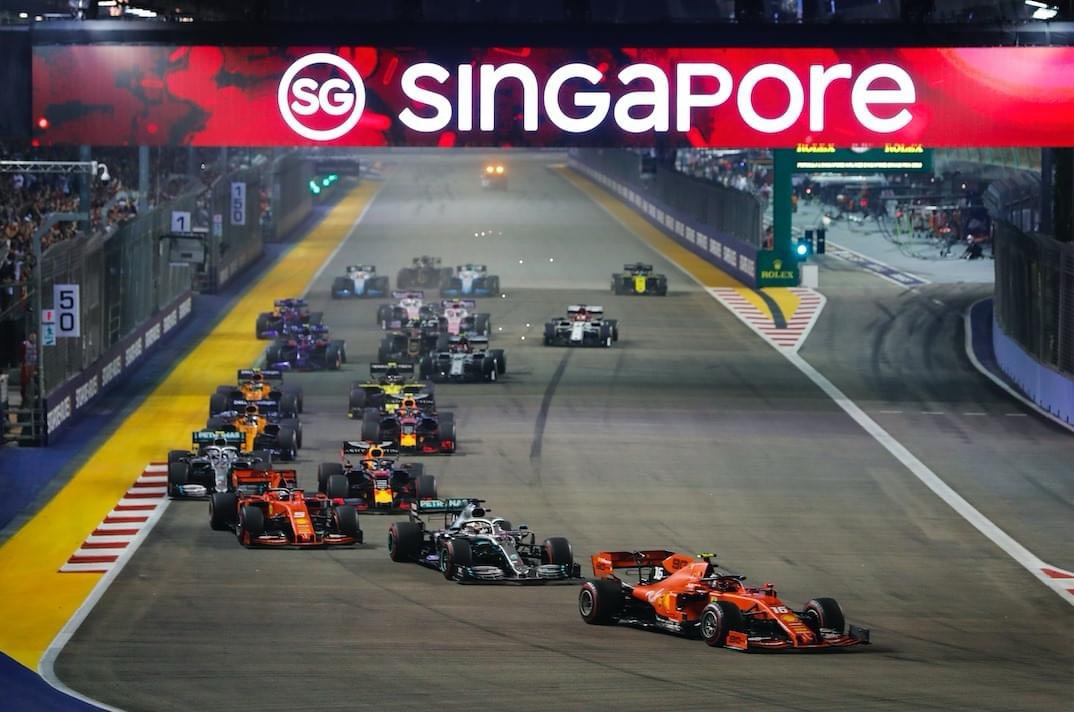
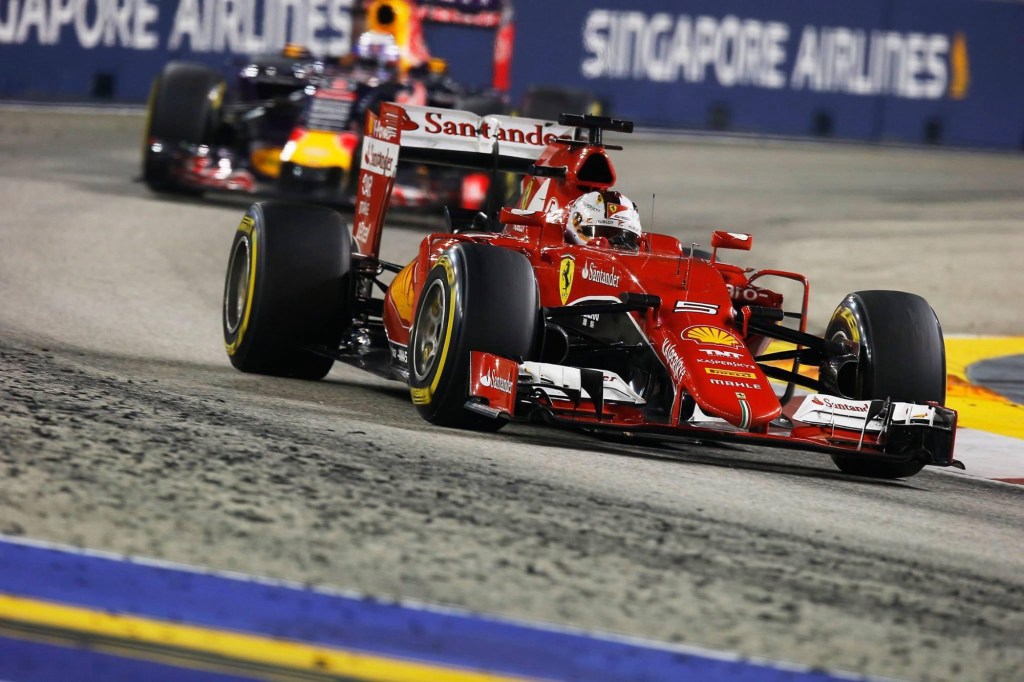
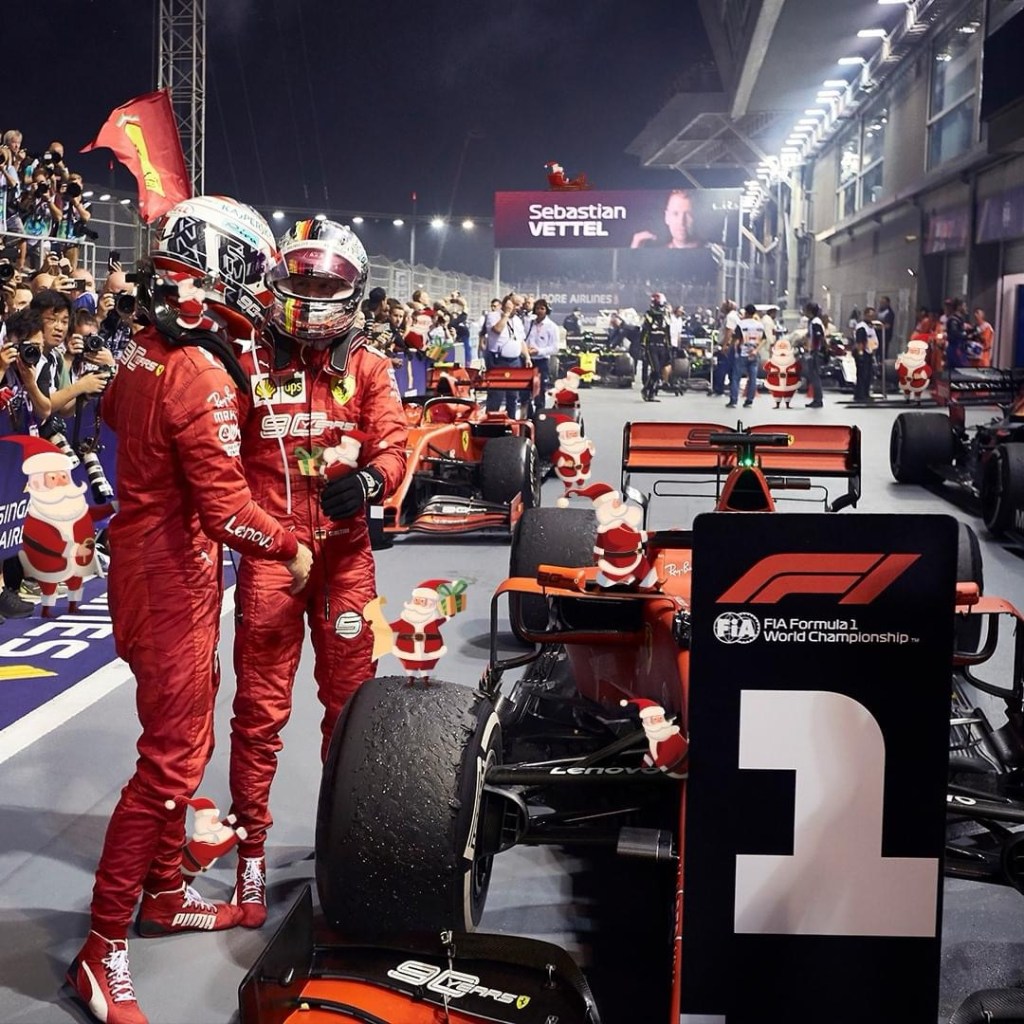
For many years, fans have been enthralled by Formula 1 (F1) motorsports, a highly competitive and internationally renowned racing competition. The championship pushes the limits of automobile technology, showcasing cutting edge engineering and innovation and bringing in a sizable sum of money.
With the creation of Formula 1, the post-war austerity gave way to the bold spirit of the 1950s. The technical marvels of today were nothing like these early Formula One cars. With their open cockpits, spindly tires, and nostalgic styling, they were simply modified road vehicles. The engines roared with an aggressive determination, but they were also noisy, thirsty, and not very reliable.
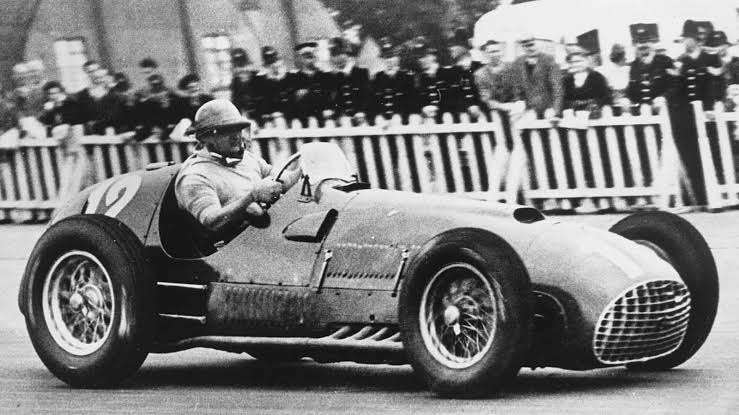
Looking back, the cars of those days might appear to us to be completely unsuitable for their task. But to contemporaries they would have looked just like their grandchildren of the late-90s. They were technical miracles built for the purpose of earthbound flight, made up of chassis, cockpit, panelling, engine, tank and wheels.
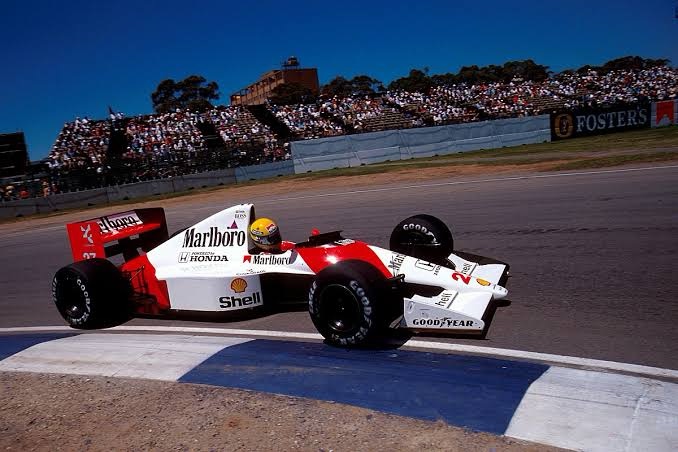
The 1980s F1 era is seen as a golden age, marked by unbridled power, fearless, daring drivers, and a growing commercialization of an international sport that was becoming more accessible to the general public. But it was at this latter moment that Formula One came dangerously close to collapse due to a protracted (and ultimately dull) legal battle between the British-based FOCA teams, headed by sharp-tongued Brabham owner Bernie Ecclestone, and the regulating body FISA, led by haughty, blazered president Jean-Marie Balestre.

Formula 1 entered the digital age in the 1990s. Semi-automatic transmissions and traction control are examples of electronic driver aids that have become standard. This decade also saw the rise of the legendary Michael Schumacher, whose accuracy and reliability revolutionized the sport. Teams were able to adjust their tactics in real time during races thanks to the sophisticated telemetry systems and abundance of sensors found in the vehicles of the 1990s.
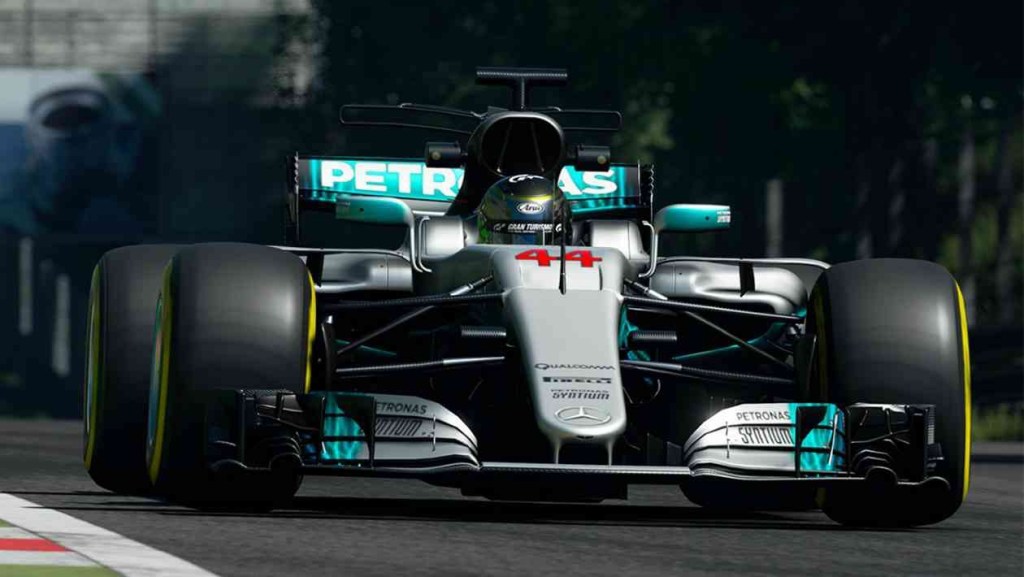
The hybrid power units of today’s Formula 1 are a unique blend of electric and conventional internal combustion engines. This technical workers marvel generates over 1,000 horsepower and is not only incredibly powerful but also remarkably efficient. Through the use of energy recovery systems (ERS), exhaust and braking energy can be captured and used to gain an edge over competitors. Formula 1 is going to encounter additional obstacles as it advances into the future, such as integrating autonomous technology and addressing environmental and sustainability issues. By fusing speed with safety, history with innovation, and human skill with machine precision, the sport continuously pushes the frontier of what is feasible.


wow so amazing
LikeLiked by 1 person
Battle of yultong
LikeLiked by 1 person
I wonder what is the feeling riding that
LikeLiked by 1 person
I don’t know so much about cars but I love watching and learning them❤️
LikeLiked by 1 person
Ok
LikeLike
Very informative!
LikeLike
That’s my dream sport😉
LikeLike
I want to see that event soon
LikeLiked by 1 person
Awesome car!!
LikeLiked by 1 person
I also watch this race
LikeLike
Yooo I’ve seen this on tiktok
LikeLiked by 1 person
I dont care
LikeLike
Those things look cool
LikeLiked by 1 person
this kind of sports is so interesting and cool, I want to experience it.
LikeLike