This is where the Fraternal Eagles of the Philippines group traveled from Digos to Davao de Oro in order to provide assistance to the areas hit by the landslide on February 6, 2024.
The Philippine Eagles, also known as the Fraternal Order of Eagles, are a historic brotherly unity. The core group thought that its humanitarian work should be characterized by a strong sense of fraternalism. It was decided that SERVICE THROUGH STRONG BROTHERHOOD will serve as its guiding concept.
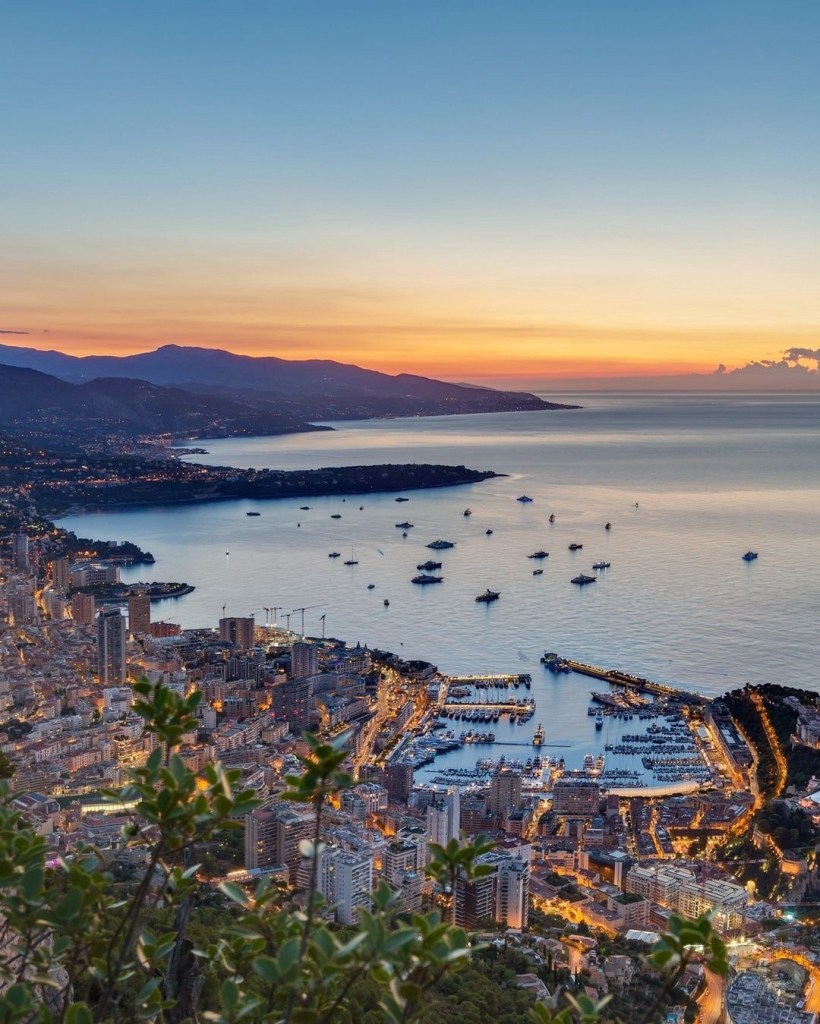
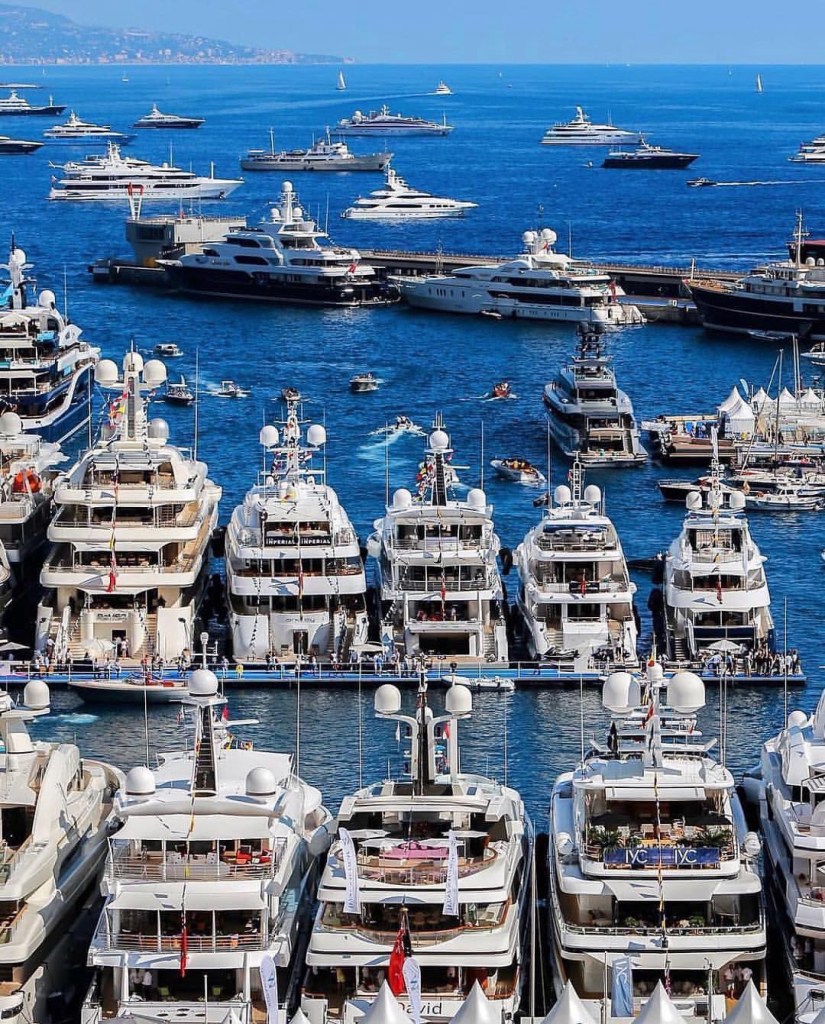
Located in Western Europe on the French Riviera, Monaco is a tiny autonomous city-state. Its wealthy way of life, famous casinos, harbor lined with yachts, and Grand Prix motor race are well-known. Monaco has gained popularity for its elegance, charm, glamorous events, luxury shops, and stunning Mediterranean coastline. Rich and elite travel there frequently because it provides a beautiful location with a blend of modern amenities, history, and culture. French is the official language, and the euro is the unit of currency.
Throughout the year, there are a lot of artistic, musical, and athletic events to choose from. Monaco’s close proximity to Nice and Cannes, two nearby French cities, also makes it simple to access globally recognized cultural events and to lead a luxurious and cultural lifestyle.
There is a reason Monaco is a prosperous nation; one of the primary ones is the principality’s advantageous tax laws, which do not impose income taxes on its citizens. Because of this, high net worth individuals looking to reduce their tax burden are drawn to Monaco.
Monaco is a popular destination for wealthy people due to its tax perks as well as its luxurious lifestyle, stunning Mediterranean setting, and reputation as a playground for the famous and privileged.
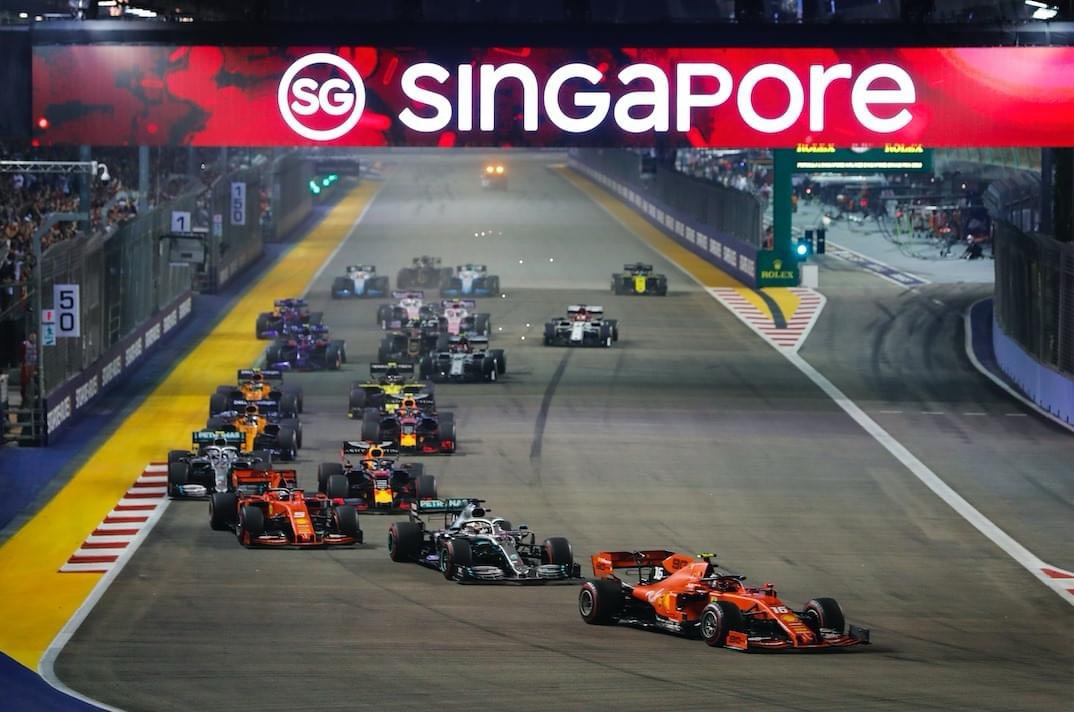
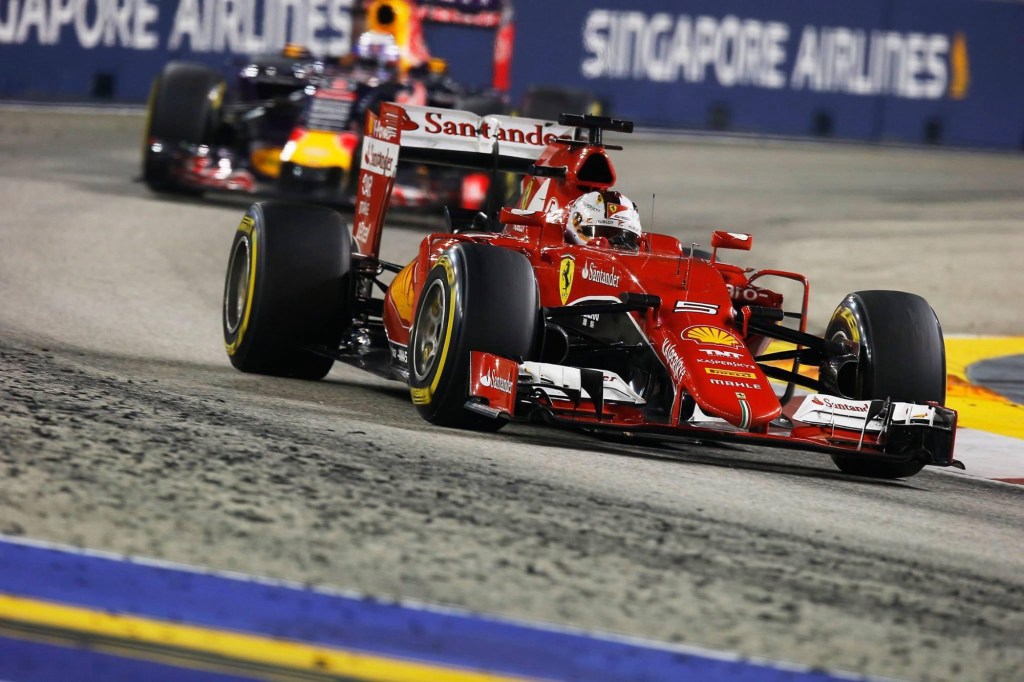
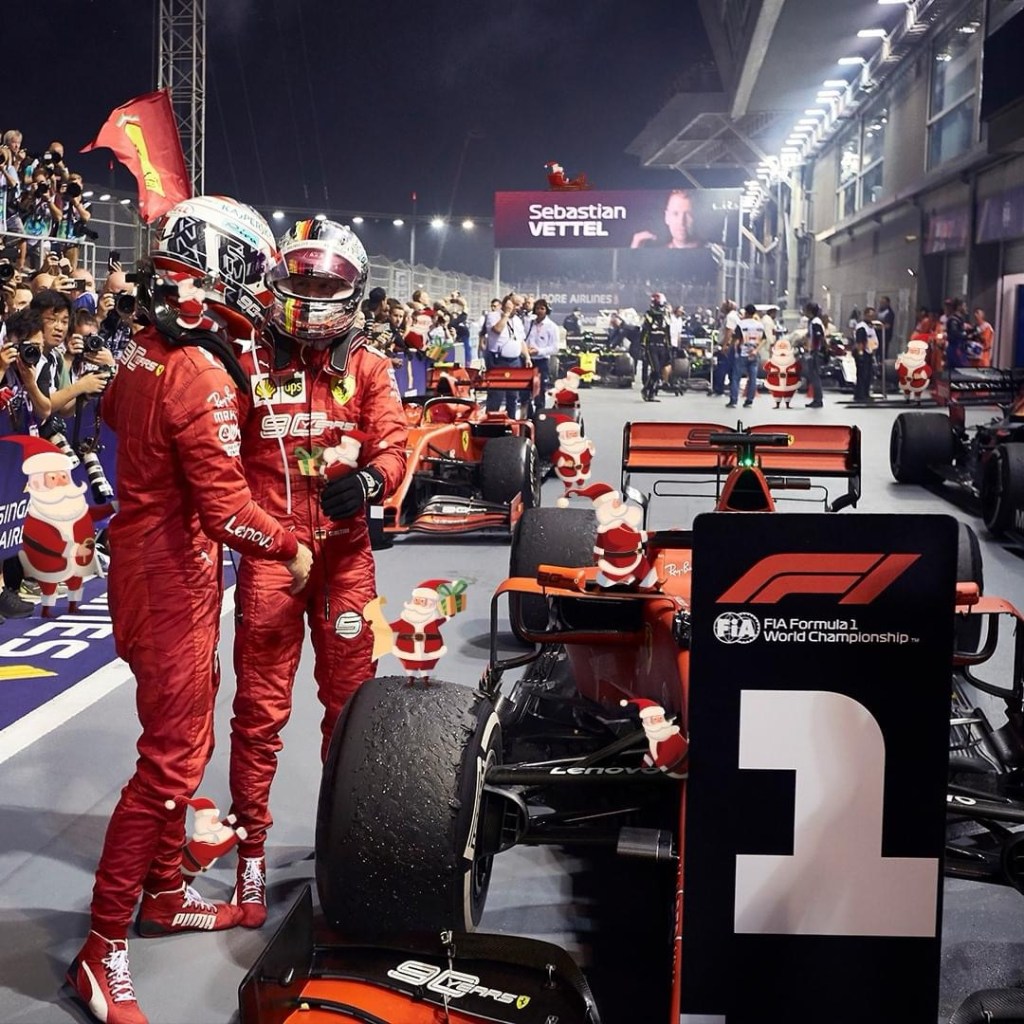
For many years, fans have been enthralled by Formula 1 (F1) motorsports, a highly competitive and internationally renowned racing competition. The championship pushes the limits of automobile technology, showcasing cutting edge engineering and innovation and bringing in a sizable sum of money.
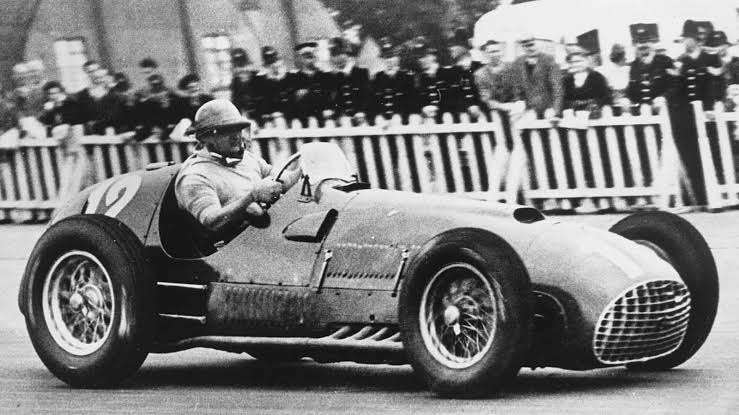
With the creation of Formula 1, the post-war austerity gave way to the bold spirit of the 1950s. The technical marvels of today were nothing like these early Formula One cars. With their open cockpits, spindly tires, and nostalgic styling, they were simply modified road vehicles. The engines roared with an aggressive determination, but they were also noisy, thirsty, and not very reliable.
F1 car in 1950
Looking back, the cars of those days might appear to us to be completely unsuitable for their task. But to contemporaries they would have looked just like their grandchildren of the late-90s. They were technical miracles built for the purpose of earthbound flight, made up of chassis, cockpit, panelling, engine, tank and wheels.
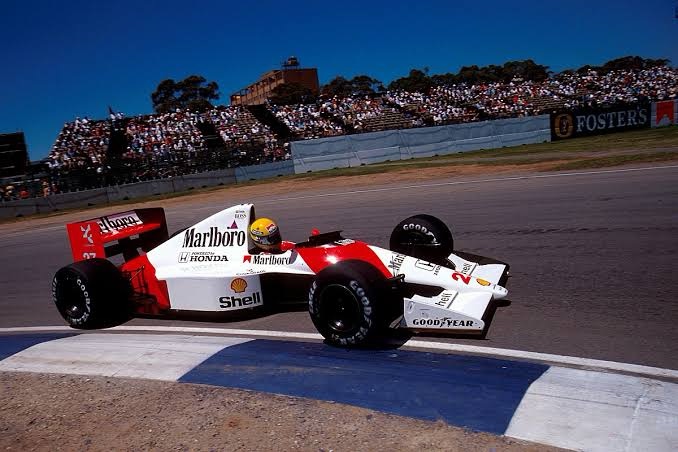
1980’s F1 car
The 1980s F1 era is seen as a golden age, marked by unbridled power, fearless, daring drivers, and a growing commercialization of an international sport that was becoming more accessible to the general public. But it was at this latter moment that Formula One came dangerously close to collapse due to a protracted (and ultimately dull) legal battle between the British-based FOCA teams, headed by sharp-tongued Brabham owner Bernie Ecclestone, and the regulating body FISA, led by haughty, blazered president Jean-Marie Balestre.
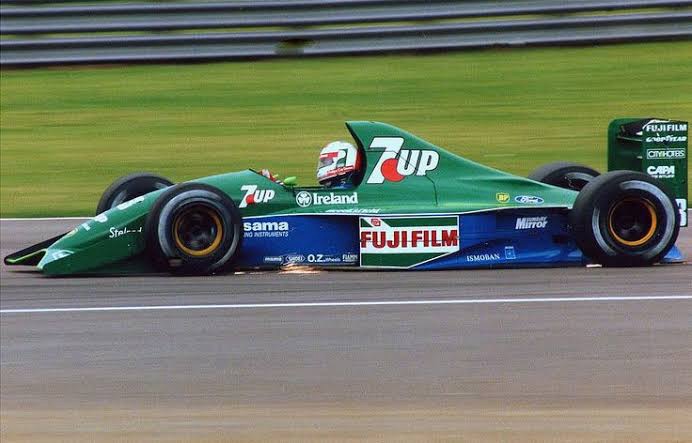
1990’s F1 car
Formula 1 entered the digital age in the 1990s. Semi-automatic transmissions and traction control are examples of electronic driver aids that have become standard. This decade also saw the rise of the legendary Michael Schumacher, whose accuracy and reliability revolutionized the sport. Teams were able to adjust their tactics in real time during races thanks to the sophisticated telemetry systems and abundance of sensors found in the vehicles of the 1990s.
THE FUTURE OF FORMULA ONE
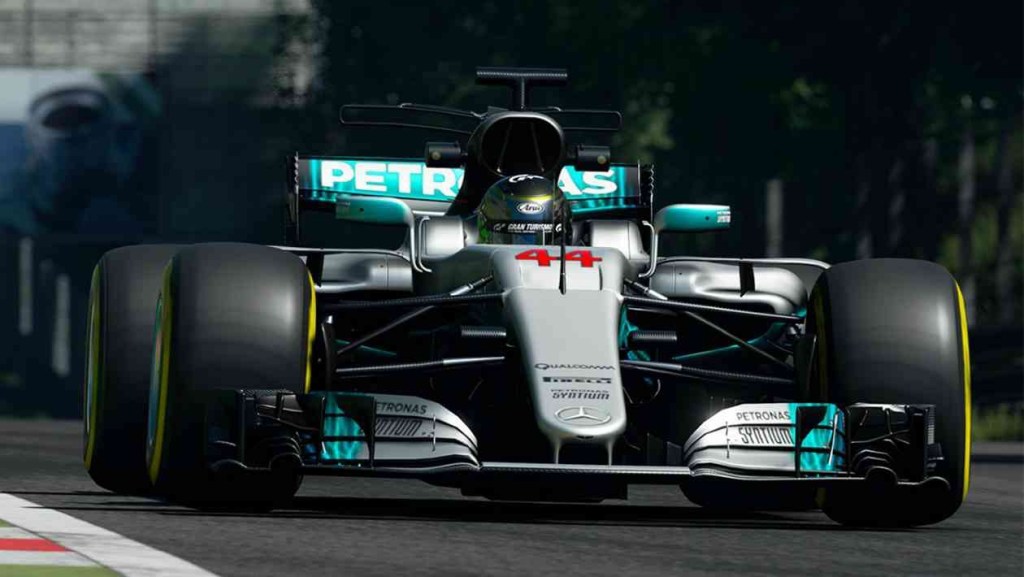
The hybrid power units of today’s Formula 1 are a unique blend of electric and conventional internal combustion engines. This technical workers marvel generates over 1,000 horsepower and is not only incredibly powerful but also remarkably efficient. Through the use of energy recovery systems (ERS), exhaust and braking energy can be captured and used to gain an edge over competitors. Formula 1 is going to encounter additional obstacles as it advances into the future, such as integrating autonomous technology and addressing environmental and sustainability issues. By fusing speed with safety, history with innovation, and human skill with machine precision, the sport continuously pushes the frontier of what is feasible.